Blog
- Todas
- Community
- Ingeniería
- Subvenciones
- Tecnología Interledger
- Noticias
- Política e Incidencia
- Liderazgo Intelectual
51 resultados
No results found. Please adjust your keyword search or filter settings.
Search is unavailable right now. Showing all posts instead — please try again later.
-
Community Trust as Digital Credit Infrastructure in Nigeria
Explore how community trust shapes digital credit infrastructure in Nigeria and the data compliance challenges affecting financial inclusion and fintech.
-
Financial Inclusion in Nepal: Progress, Prospects, and the Road Ahead
Explore financial inclusion in Nepal, examining progress, challenges, and opportunities to expand equitable access to affordable financial services.
-
Namma Yatri: Digital Financial Inclusion in India
Explore how Namma Yatri is advancing digital financial inclusion in India through a zero-commission, worker-owned ride-hailing model that empowers gig workers.
-
Taxes on Digital Financial Services in Africa: Balancing Revenue and Inclusion
Explore how taxes on digital financial services affect mobile money adoption, financial inclusion, and government revenue across Africa.
-
Why access isn't enough: New research project to explore barriers to financial inclusion in Colombia
New research explores how trust and transparency shape financial inclusion in Colombia.
3 min de lectura
-
Banking Without Banks: What Africa Can Teach the U.S. About Financial Access
Africa’s fintech innovations, including Ghana’s digital onboarding, Nigeria’s collaborative fintech ecosystem, and Kenya’s mobile money success, show how accessibility-first financial systems can dramatically expand financial inclusion and economic opportunity.
 5 min de lectura
-
The Future of Financial Inclusion Starts With Trust
Financial inclusion starts with trust: people need financial systems that are transparent, relevant, and aligned with how they earn and manage money today. As the digital economy grows, institutions must combine modern technology with education and community-focused design to expand opportunity.
 8 min de lectura

-
Why We Funded Research Into Who Gets Left Out of Instant Payments
Research across more than 20 countries found that instant payment systems often aim for inclusion but are designed in ways that exclude smaller financial providers through governance, regulatory, economic, and technical barriers.
 6 min de lectura
-
Why Campuses are Becoming Testbeds for Digital Finance
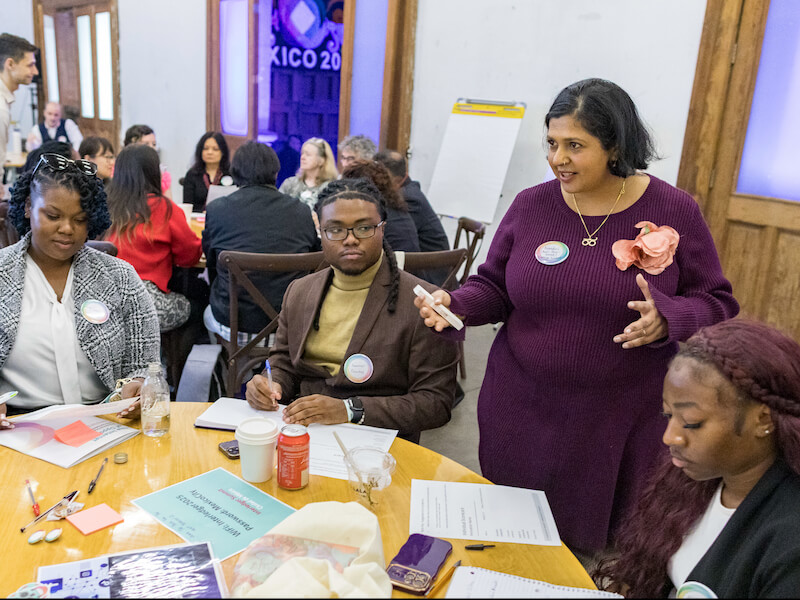
Universities like Bowie State University are becoming key testing grounds for inclusive digital finance, where students with lived experience of financial exclusion help design more equitable systems. Its partnership with the Interledger Foundation shows how education and community engagement can shape the future of accessible financial infrastructure.
 8 min de lectura

-
You Don’t Need 3 Apps to Pay Your Friends: Why U.S. Payments Feel Broken
U.S. digital payments feel fragmented because apps don’t interoperate, forcing users to juggle multiple platforms.





Mantente al día
Suscríbete a nuestro boletín y mantente al día con nuestras noticias y eventos.